Most people expect menopause to be a single moment when periods stop. What actually causes the friction in day-to-day life is the long runway beforehand. Perimenopause, sometimes called pre menopause, is a transition that can last four to eight years. It’s often subtle at first, then unmistakable. The early signals rarely look like the hot flashes you see in ads. Instead, they creep in as poor sleep, heavier periods, sharper PMS, or a stubborn new case of hormonal cystic acne. Many of these symptoms overlap with thyroid changes, PMDD, IBS symptoms, or stress, so it’s easy to chalk them up to life. That’s how a lot of people miss the first red flags.
I’ve sat across from hundreds of patients who felt blindsided. Not because their bodies were betraying them, but because no one helped them connect the dots. Once you know what to watch for, you can track patterns, get the right labs, and pick treatments that actually match your physiology. The grit comes from living through it, not memorizing a list. Still, patterns are real. Here’s how the early stage often shows up, what else to rule out, and how to steady the ship.
What actually happens in perimenopause
Perimenopause is the multi-year phase when ovarian function winds down. Estradiol becomes erratic, not uniformly low. Progesterone gradually declines because ovulation becomes less reliable. The brain still asks the ovaries to perform, so follicle-stimulating hormone spikes in fits and starts. That push-pull creates symptoms that can change month to month. One cycle feels “normal,” the next arrives early and heavier. You might go three months feeling steady, then get a week you barely recognize your body.
The chaos is biochemical. Progesterone is the main calming counterweight to estradiol. When ovulation falters, progesterone lags. Estradiol might swing higher on some days, then drop suddenly. That volatility affects sleep, temperature regulation, mood circuits, and the lining of the uterus. It also touches metabolism, collagen in skin, and pelvic floor tissues. None of that makes you fragile. It does mean your old playbook, from caffeine timing to training load, may not fit anymore.
The first red flags people tend to miss
One of the most common starting points is a subtle change in the menstrual cycle. What used to be a 28-day metronome stretches to 32 days, then snaps back to 25, then arrives with heavier flow and clots. This wax-and-wane pattern can go on for years, particularly if perimenopause starts in the later 30s or early 40s. If you’re using a hormonal IUD or pill, you may not see these shifts clearly. In those cases, mood and sleep often reveal the change first.
Sleep fragility is a second early hallmark. Falling asleep remains easy, but you wake at 3 a.m., wired yet exhausted. Night sweats may appear once or twice a week, often around the late luteal phase, then disappear for a month. Your core temperature feels off. You kick blankets off, then chill by morning.

Mood reactivity is the third. If PMS once meant a day of edginess, now it can mean a week of rage, tearfulness, or anxiety that is wildly out of proportion to what’s happening in your life. People around you may notice a shorter fuse, especially in the 5 to 10 days before bleeding. This is where PMDD and perimenopause symptoms collide, and why getting specific matters.
Skin and hair changes are another early clue, particularly hormonal cystic acne along the jawline or neck in those who never struggled with acne or who managed it easily in their 20s. Hair may shed more in the shower, then stabilize. Sebum production shifts with hormone swings, so flare-ups tend to cluster late in the cycle.
Finally, gut sensitivity often magnifies. The same salads and coffee routine now leaves you bloated. Bowel habits skew looser in the days before the period, or constipation becomes a new visitor. People call these IBS symptoms, and many do fit that label, but hormonal timing is the tell. If bloating or bowel changes reliably appear before bleeding, hormones are at least part of the story.
PMDD or perimenopause, or both?
PMDD, or premenstrual dysphoric disorder, is not garden-variety PMS. It involves cyclical mood symptoms that significantly impair function in the luteal phase and resolve soon after bleeding starts. PMDD symptoms can include severe irritability, depression, panic, or hopelessness, often with physical symptoms like breast tenderness and bloating. The tricky part is that perimenopause amplifies luteal instability because progesterone is inconsistent and estradiol can spike, making PMDD flare or appear for the first time in midlife.
A PMDD diagnosis requires prospective tracking for at least two cycles, ideally three. A PMDD test is not a single blood draw. It’s a symptom diary that shows timing. If symptoms show up mid-cycle or persist after the first few days of bleeding, broad perimenopause is likely in play, not isolated PMDD. Treatment for PMDD ranges from SSRIs taken continuously or luteal phase only, to cognitive behavioral therapy, and in select cases, ovulation suppression. In perimenopause, the calculus changes. Some patients benefit more from stabilizing hormones with transdermal estradiol plus oral or vaginal micronized progesterone than from SSRIs alone. Others need both. Be wary of one-size-fits-all. The person with a trauma history or a past episode of postpartum depression often needs a gentler, layered plan, not a single lever.
Thyroid overlap: when subclinical hypothyroidism muddies the waters
Thyroid function commonly drifts in the 40s. Subclinical hypothyroidism, where TSH nudges up while free T4 stays normal, can mimic perimenopause. Fatigue, weight gain around the middle, constipation, dry skin, and cold intolerance span both categories. That overlap leads to missed diagnoses. If you’re seeing early perimenopause symptoms and any strong thyroid flags, ask for thyroid labs that include TSH, free T4, and thyroid peroxidase antibodies. If antibodies are positive, you may be sliding toward autoimmune thyroiditis, which can flare postpartum and again in midlife.
Treatment decisions depend on TSH level, symptoms, and cardiovascular risk. Some people feel better with low-dose levothyroxine even when numbers are borderline, especially if antibodies are high. Others are best served by watchful waiting, repeat labs, and aggressive correction of iron, vitamin D, and B12 deficiencies, which can masquerade as thyroid dysfunction. Don’t let either condition eclipse the other. Perimenopause and subclinical hypothyroidism often coexist.
Metabolic health and why it suddenly matters more
As estradiol oscillates, insulin sensitivity often dips. The same breakfast that kept glucose steady now triggers a mid-morning crash. Waist circumference inches up. Fasting lipids may shift: LDL creeps higher, triglycerides climb if sleep is off, and HDL may wobble. People are told to eat less and move more, which ignores the endocrine context. Hormones are not destiny, but they are levers.
Insulin resistance treatment starts with measurement. A fasting glucose and A1c do not give the full picture. A fasting insulin, or better, a 2-hour oral glucose tolerance test with insulin values, can expose early resistance. Continuous glucose monitors are overused in some circles, but in perimenopause they can offer a two-week reality check that guides dietary timing and stress management. The best improvements I have seen came from dialing protein to 1.2 to 1.6 grams per kilogram of body weight daily, distributing carbohydrates earlier in the day and around training, and protecting 7.5 hours of sleep with consistent lights-out. A short, heavy strength session twice a week plus two brisk 20-minute walks after meals can move fasting insulin in as little as eight weeks.
Cardiovascular health deserves new attention as estrogen protection wanes. High cholesterol treatment is not a moral referendum on diet. It is a risk calculation. If LDL is 160 or higher, or if your Lp(a) is elevated, consider earlier intervention. Diet quality matters, but genetics carry weight. For some, adding soluble fiber, omega-3s, and strength training shifts numbers enough. For others, a statin or ezetimibe is appropriate. If you are using hormone therapy, manage lipids alongside it.
The skin story: hormonal acne and what actually helps
Hormonal acne treatments that work for teenagers often fail in midlife. The physiology is different. In perimenopause, fluctuating estradiol and relatively higher androgen activity can drive oil production and inflammation, especially late in the cycle. Overwashing and harsh acids can strip the barrier and worsen the issue.

How to treat hormonal acne in this window depends on severity and goals. For mild to moderate cases, start simple: a gentle, non-comedogenic cleanser; a moisturizer that supports barrier lipids; and a topical retinoid at night three times a week, increasing as tolerated. Add a benzoyl peroxide wash twice a week to reduce bacterial load. If cystic lesions persist, oral options like spironolactone can help by reducing androgen receptor activity. It is not a cure-all, and it can affect potassium and blood pressure, so labs and follow-up matter. For those who also have PMDD or irregular cycles, low-dose transdermal estradiol with cyclic or continuous micronized progesterone may steady the skin by smoothing hormone swings. Oral combined contraceptives can help some, but they can also blunt libido or worsen mood in others. Judicious choice is key.
Diet-wise, reduce high glycemic spikes, and don’t forget the basics: zinc adequacy, enough protein, and omega-3 intake. In clinic, I https://dominickaezv108.bearsfanteamshop.com/symptoms-of-menopause-checklist-hot-flashes-brain-fog-joint-pain-and-more ask people to test whey or skim milk separately from yogurt or cheese. Milk can flare acne in some, while fermented dairy does not. This is not universal, and cutting all dairy is rarely required.
The gut roller coaster: hormones and IBS symptoms
Estrogen and progesterone receptors live in the gut. When these hormones swing, motility and visceral sensitivity swing too. Many people notice looser stools in the day or two before bleeding, then constipation later in the cycle. That pattern is not “just IBS.” It’s a sign that perimenopause is pressing on the same nerves.
You can target the rhythm. Increase soluble fiber by 5 to 10 grams per day, but pace it in the first half of the cycle when motility is steadier. If you cramp easily, magnesium glycinate 200 to 400 mg daily can reduce smooth muscle spasm and improve sleep. If bloating hits premenstrually, reduce carbonated drinks and alcohol in that window, and watch sugar alcohols, which can pull water into the gut. People with significant IBS symptoms may benefit from a short-term low-FODMAP rotation, but it is not a forever diet, and the goal is to reintroduce tolerable foods. If diarrhea or constipation is extreme, screen for bile acid malabsorption, celiac disease, and small intestinal bacterial overgrowth to avoid chasing the wrong target.
Period changes: what is normal, and when to act
Heavier bleeding is common in early perimenopause because estradiol spikes can build a thicker uterine lining, and without robust progesterone, it sheds erratically. Passing a few clots at the start of a heavy day can be normal. What is not okay is soaking through a pad or tampon every hour for two hours, feeling dizzy, or developing iron deficiency. That deserves evaluation for fibroids, polyps, thyroid disorders, and clotting issues. Pelvic ultrasound can rule in or out structural causes.
If cycles become closer than 21 days for several months, or bleeding lasts more than eight days consistently, bring it to your clinician. Some people do well with tranexamic acid during heavy days, which reduces bleeding without affecting hormones. Others need a levonorgestrel IUD, which can dramatically lighten periods and protect the uterine lining. Consider your goals around fertility, symptom control, and preference for non-systemic versus systemic treatment. There is no single right answer.
Mood, stress, and the nervous system
Hormone volatility increases the nervous system’s sensitivity to stress. The same meeting that felt annoying at 35 feels impossible at 44. Sleep fragmentation compounds this. You can lower the noise floor. If you have access, cognitive behavioral therapy or acceptance and commitment therapy helps many people navigate the cognitive distortions that spike during the late luteal phase. Some benefit from an SSRI or SNRI, either continuously or only in the second half of the cycle. If you’re “fine” all month then fall off a cliff 5 to 7 days before bleeding, intermittent dosing is worth trying.
Lived experience matters here. People do well when they protect one anchor habit that nudges the autonomic nervous system toward calm. For some, it is a 10-minute walk after dinner without a phone. For others, nasal breathing drills before bed, or a set bedtime alarm that signals shutdown. The trick is to pick one, not five.
BHRT: when bioidentical hormone therapy helps, and when it does not
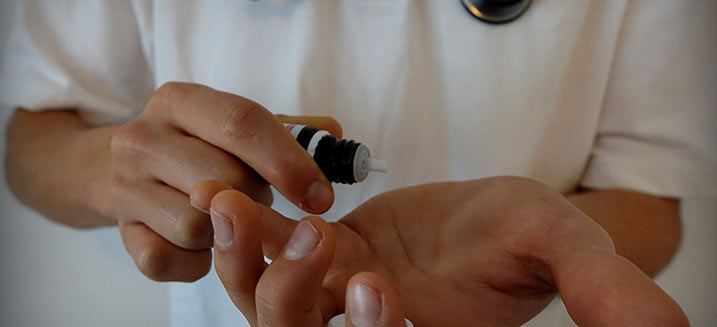
Bioidentical hormone replacement therapy, or BHRT, means using molecules identical to human hormones, typically transdermal estradiol and micronized progesterone. The term gets over-marketed, but the tools are valuable. In perimenopause, the goal is to stabilize swings and alleviate symptoms like hot flashes, sleep loss, and mood lability. Transdermal estradiol avoids first-pass liver metabolism and has a lower clotting risk profile compared with oral estrogen. Micronized progesterone, taken at night, can improve sleep through a GABAergic effect, independent of its uterine role.
The best candidates are those with significant vasomotor symptoms, sleep fragmentation, or mood instability tied to cycles, without contraindications like a history of estrogen-sensitive breast cancer, prior clots, or uncontrolled migraines with aura. If you still ovulate, you might need cyclic rather than continuous progesterone to sync with your own production. Dosing is individualized; tiny changes matter. Overshooting estradiol can worsen anxiety in some, especially if progesterone is underdosed. If you try BHRT and feel jittery or wired, do not assume hormones “aren’t for you.” Adjust timing, dose, and route before abandoning therapy.
Functional medicine perspective, used responsibly
Functional medicine shines when it treats the person’s context, not just their lab values. The pitfalls are overtesting and supplement overload. You do not need a $1,000 hormone panel to recognize perimenopause. A useful set of labs in the first pass might include CBC and ferritin, TSH with free T4 and thyroid antibodies, fasting lipid panel, fasting insulin with glucose, A1c, vitamin D, and possibly Lp(a) depending on family history. Hormone bloodwork in perimenopause is often misleading because levels fluctuate daily. If you check, do it with a clear question in mind, and repeat in a different cycle phase if the result conflicts with your symptoms.
On the supplement front, basics matter most: magnesium glycinate, omega-3s if dietary intake is low, creatine monohydrate for strength and cognitive support, and a protein target you actually meet. Beyond that, chase a symptom with a rationale. For sleep disruption, magnesium and a consistent wind-down beat exotic blends. For hot flashes, low-dose SSRIs or gabapentin can work as well as herbs, and transdermal estradiol remains the gold standard if eligible.
Menopause versus perimenopause: how you know you’re across
Menopause is defined as 12 months without a spontaneous period. The average age in many countries is around 51, with a normal span from the mid-40s to the mid-50s. Once you cross that line, estradiol levels are more stable, albeit lower, and many symptoms mellow. Others, like vaginal dryness and sleep fragmentation, may persist or even worsen without treatment. Menopause symptoms can look similar to perimenopause, but the metabolism tends to settle into a new baseline. This is the window where long-term cardiovascular health and bone density take center stage. If you plan to start hormone therapy primarily for symptom relief, the risk-benefit window is generally most favorable within 10 years of the final period and before age 60, though individual risk always leads.
When to seek care, and what to ask for
People hesitate to bring these issues to their clinician, fearing dismissal. Concrete data helps. Track two to three cycles with notes on sleep, mood, bleeding volume, and any night sweats or hot flashes. If symptoms are impairing work, relationships, or training, or if bleeding is heavy or erratic, schedule a visit. Ask specifically about perimenopause treatment options, not just antidepressants or birth control. Inquire whether transdermal estradiol and micronized progesterone are appropriate for you. If mood is the main problem and cycles are clearly tied to symptoms, mention PMDD and discuss timed SSRI dosing versus hormone stabilization. If weight, lipids, or glucose are changing fast, request insulin resistance treatment strategies beyond generic diet advice, and get baseline labs. If a clinician dismisses concerns, seek a second opinion, ideally from someone with menopause certification or deep midlife women’s health experience.
A short, practical checklist for navigating the first year
- Track symptoms for 8 to 12 weeks, noting timing relative to bleeding, sleep quality, mood shifts, hot flashes, and bowel changes. Get baseline labs: CBC, ferritin, TSH with free T4 and antibodies, fasting lipids, fasting insulin with glucose, A1c, vitamin D, and consider Lp(a) if there is family history of early cardiovascular disease. Protect sleep: consistent lights-out, cool room, limit alcohol and late caffeine, consider magnesium glycinate, and address night sweats directly. Strength train twice weekly, walk after meals, and set a protein target; adjust carbs to earlier in the day or around training to steady glucose. Discuss targeted therapies: tranexamic acid for heavy periods, spironolactone for hormonal acne, SSRIs for PMDD, and BHRT when indicated.
Edge cases and judgment calls
A 38-year-old with irregular cycles and acne might be in early perimenopause, or she might have mild PCOS unmasked by stress and travel. Distinguish with history, androgen panels, and ovarian ultrasound if needed. A 48-year-old with normal cycles but crippling premenstrual rage deserves a PMDD lens even if she is technically still regular. A 52-year-old with high LDL and blood pressure who desperately wants hormone therapy for sleep might still be a candidate, but her cardiovascular health must be addressed in the same breath, possibly starting high cholesterol treatment before or alongside BHRT. A 45-year-old with new constipation and heavy bleeding needs iron studies and a pelvic ultrasound, not just reassurance. Clinical nuance beats algorithms.
What progress looks like
The first wins are usually modest. You sleep through most nights in a week. The worst day of irritability becomes an afternoon. Bleeding lightens from flooding to heavy. Skin stops surprising you. Fasting insulin drops a few points. The scale may not move immediately, but waist measurement shrinks a centimeter or two over a season. People often do better when they measure fewer things more carefully. Pick two metrics that matter to you and track them honestly for three months.
Perimenopause is not a single problem to solve. It is a series of adjustments, made with the right level of support at the right time. When you know the first red flags, you have a better chance of responding early, rather than reacting late. That’s the difference between feeling battered by biology and steering through a choppy stretch with your hands on the wheel.